Showing posts with label Grammar. Show all posts

Tuesday, 17 March 2020

Compound words

Compound words

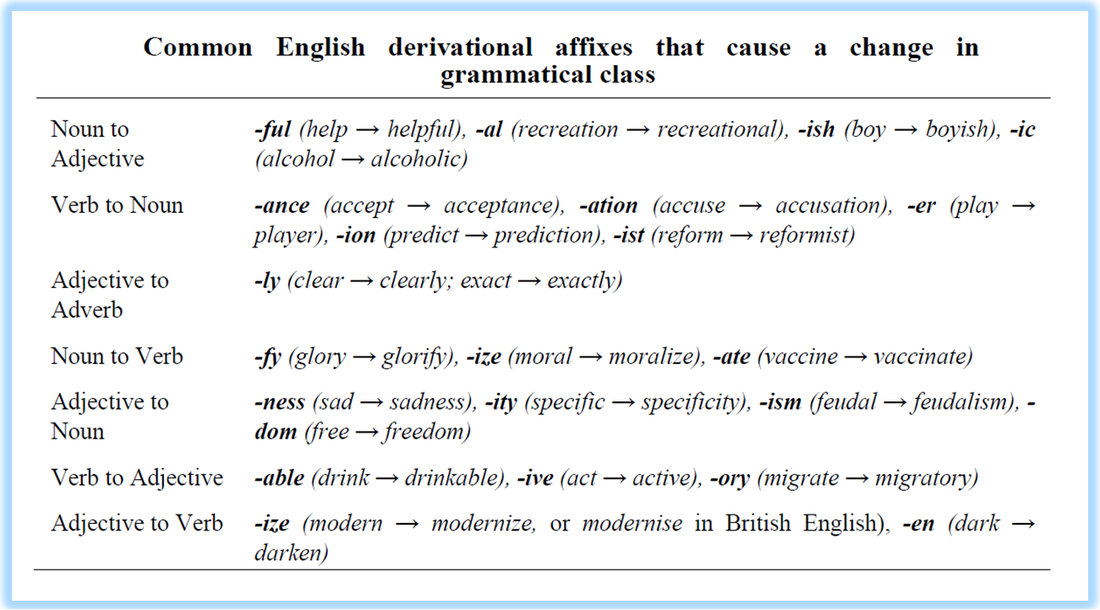
A compound word is two or more words linked together to produce a word with a new meaning:
  1. tooth + brush = toothbrush eco + friendly = eco-friendly animal + lover = animal lover
We make compounds in all word classes:
nouns: car park, soap opera
pronouns: anyone, everything, nobody
adjectives: environmentally-friendly, fat-free
numerals: twenty-seven, three-quarters
verbs: daydream, dry-clean
prepositions: into, onto
adverbs: nevertheless, nowadays
conjunctions: although, however
EXERCISES:


Wednesday, 28 September 2016

Possessives

First, let's start with the structure:
Possessive Adjectives
Possessive Adjective        +        Noun
Examples:
  • My dog is big.
  • Her cat is brown.
  • Their sister works downtown.

Possessive Pronouns
Noun        +        Possessive Pronoun
Examples:
                                                   The dog is mine.
                                               The brown cat is hers.
                                                   The car is ours.


Possessive adjectives go before the noun and possessive 
pronouns go after the noun. Here are some examples:       


                                                          This is my car.
                                                        The car is mine.
                                                       Is that your pen?
                                                       Is that pen yours?


Here is a list of the possessive adjectives and possessive 
pronouns:


Exercise 1


Exercise 2


Tuesday, 27 September 2016

Prepositions of time

READ THIS ATTENTIVELY: 


          NOW DO THESE EXERCISES:

                        Exercise 1

                        Exercise 2


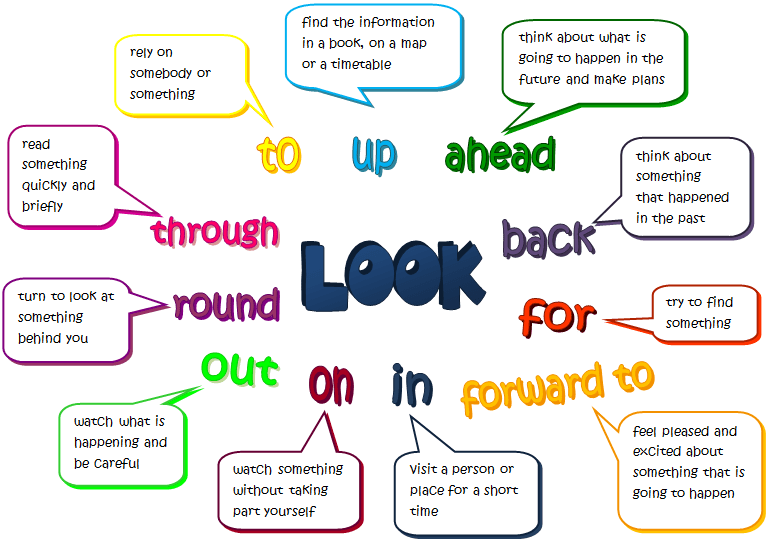
Phrasal verbs


READ THE FOLLOWING INFORMATION CAREFULLY :


NOW DO SOME EXERCISES:


Sunday, 25 October 2015

Wednesday, 15 January 2014

PAST SIMPLE - REGULAR VERBS


. Forming the simple past tense

With most verbs, the simple past is created simply by adding -ED. However, with some verbs, you need to add -D or change the ending a little. Here are the rules:
Verb ending in...How to make the simple pastExamples
eAdd -Dlive arrow to the right lived
date arrow to the right dated
Consonant +yChange y to i, then add -EDtry arrow to the right tried
cry arrow to the right cried
One vowel + one consonant
(but NOT w or y)
Double the consonant, then add -EDtap arrow to the right tapped
commit arrow to the right committed
anything else including wAdd -EDboil arrow to the right boiled
fill arrow to the right filled
hand arrow to the right handed
show arrow to the right showed

EXERCISES (click here)


REMEMBER THE FORMS:


EXERCISES (click here)


Wednesday, 20 November 2013

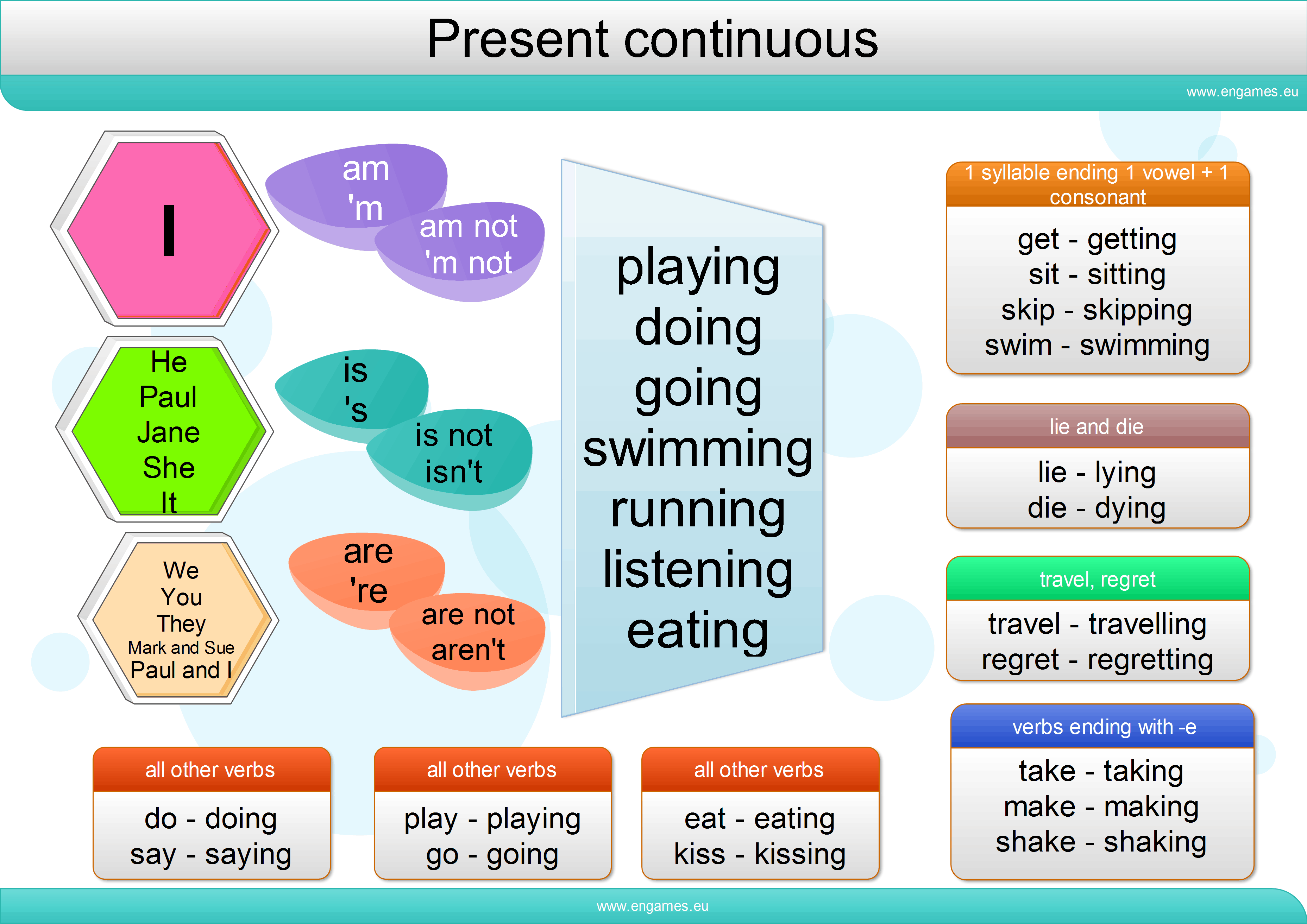
Present Simple or Present Continuous?

REMEMBER:
Why do we use them?


Now that you know the difference, click below and test yourself:

Simple Present or Present Continuous? Think about it!

Tuesday, 24 September 2013

Saturday, 21 September 2013

POSSESSIVE ADJECTIVES AND PRONOUNS - Check what you know!

REMEMBER:

POSSESSIVE ADJECTIVES:

                          POSSESSIVE PRONOUNS:


Monday, 8 April 2013